What’s Really On Your Plate? #10
Conversations about “healthy greens” often become surprisingly narrow. Spinach and kale dominate international food media, while African kitchens have long used a much wider range of leaves with distinctive flavours, textures and culinary roles.
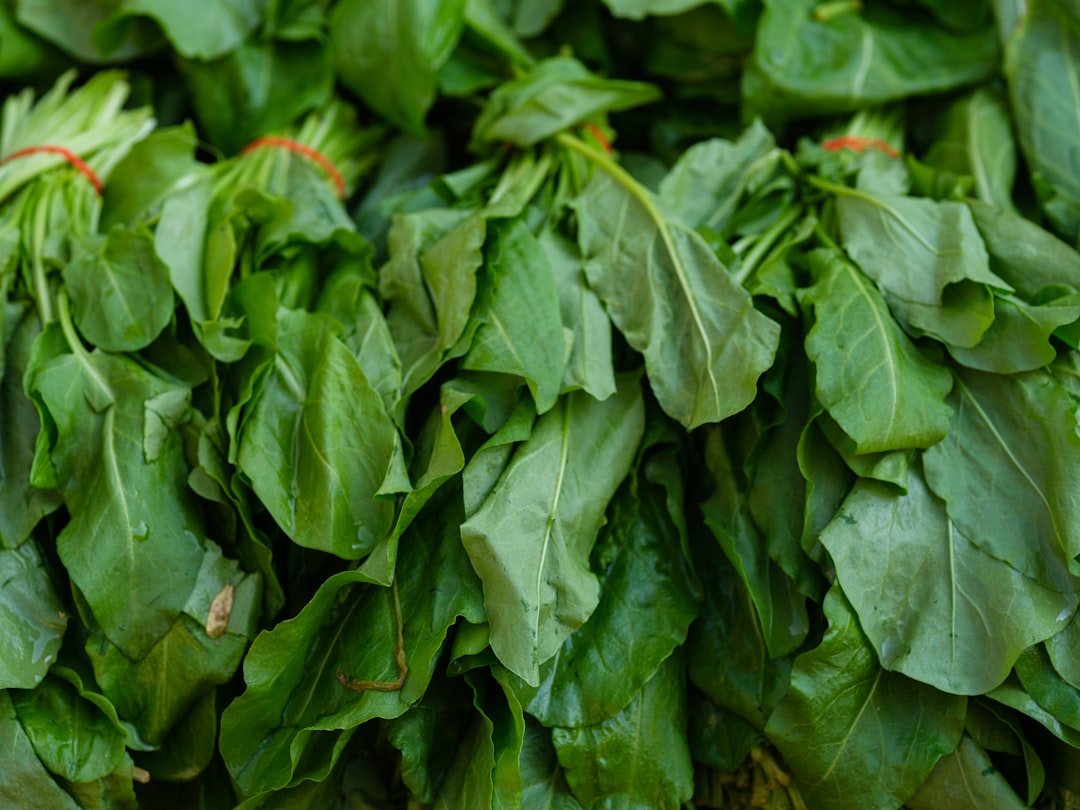
Look at the diversity
Depending on region and food culture, African leafy vegetables include amaranths, jute mallow (ewedu), bitter leaf, moringa leaves, scent leaf and many others. They are not interchangeable, and their nutrient composition varies, but together they demonstrate why dietary diversity matters more than chasing one fashionable “superfood”.
Food culture is an asset
Traditional vegetables connect nutrition with seed knowledge, local growing conditions, cooking skills and markets. Preserving those crops is therefore not merely nostalgia. It can support biodiversity, farmer opportunity and a richer food system.
Growing, preserving and using more
At Excell Africa Farms we grow and process several herbs and leafy crops, including moringa, scent leaf and bitter leaf. Drying is one preservation route we use to extend availability beyond the fresh harvest. As always, processing has to protect hygiene and product quality rather than simply extend shelf life.
This is where food education meets enterprise. A crop can move from seed to harvest, from harvest to careful processing, and from processing to a useful product—while keeping its cultural identity.
Do not replace one monoculture of thought with another
The point is not that indigenous vegetables are magically superior to every introduced crop. It is that a diverse diet and a diverse farm are stronger starting points than believing one imported vegetable is the definition of healthy eating.
Continue the series
Read #9: Your Food Has a History and explore more Excell Africa Farms evidence in JustLearn Articles. Next we turn to another cornerstone of West African cooking: palm oil and the importance of quantity.
Excell Africa Farms — From Soil to Significance™