What’s Really On Your Plate? #9
A tomato does not begin in the supermarket. Chicken does not begin in a freezer. Flour does not begin in a bakery. Every item on a plate arrives through a chain of decisions, and those decisions influence quality, cost, nutrition, safety, livelihoods and environmental impact.
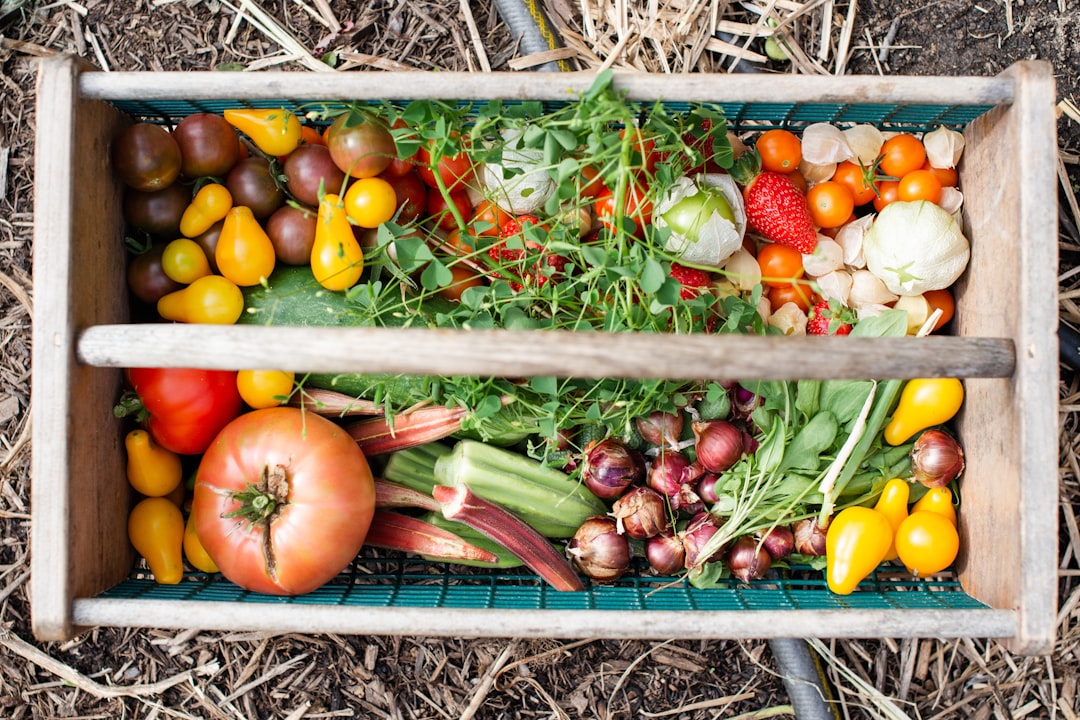
1. Soil
The story starts with the growing environment. Soil structure, organic matter, water, fertility and biological activity affect how crops establish and how resilient a farm can become. Hydroponic systems change the growing medium, but they do not remove the need to manage plant nutrition and water intelligently.
2. Farming practice
Seed or breed choice, planting density, animal welfare, irrigation, pest management, feed and timing all shape the product. Farming is not a neutral stage between nature and the shop; it is an active production system.
3. Processing and storage
Milling can remove parts of a grain. Drying can preserve herbs and vegetables. Refrigeration can protect perishable foods. Poor storage can undo good work done on the farm. Processing is therefore neither automatically good nor bad: the method and purpose matter.
4. Kitchen and portion
Finally the food reaches us. We add oil, salt, stock cubes, vegetables, meat and other ingredients. We choose the portion. A food’s agricultural history meets our cooking habits at the plate.
Why this matters at Excell Africa Farms
Our farm is a practical laboratory for this complete chain: crops, livestock, herbs, processing, preservation and enterprise. The phrase From Soil to Significance™ captures the idea that value does not end at harvest.
See that principle in practice in Rice, Plantain and a Private Jetty and our other farm stories.
Continue the series
Return to #8: Bloating After a Meal. Next we look at indigenous African leafy vegetables and why dietary diversity may already be growing around us.
Excell Africa Farms — From Soil to Significance™