What can be created from a strip of sandy riverbank, a few young rice plants, some newly established plantain and a modest wooden jetty?
At first glance, this may look like a small and rather ordinary planting experiment. Look again. It contains food production, ecological restoration, water access, enterprise, tourism and practical education—all occupying the same stretch of land.
This is precisely the kind of real-world learning JustLearn exists to explore.
The lesson begins at the water’s edge
The young rice plants have been placed close to the river, where moisture is naturally more available. Rice is often associated with permanently flooded fields, but the crop does not have to remain submerged throughout its life. What it does require is dependable access to water, particularly during establishment, tillering and grain formation.
The sandy soil beside the river creates both an opportunity and a challenge. It drains freely and is easy to work, but it holds relatively little moisture or nutrition. The experiment will therefore depend on careful observation, the addition of organic matter and an understanding of how far the river rises during the wettest part of the year.
This is not simply a question of whether rice can grow here. The more useful question is: what growing system will allow it to thrive here without damaging the riverbank?
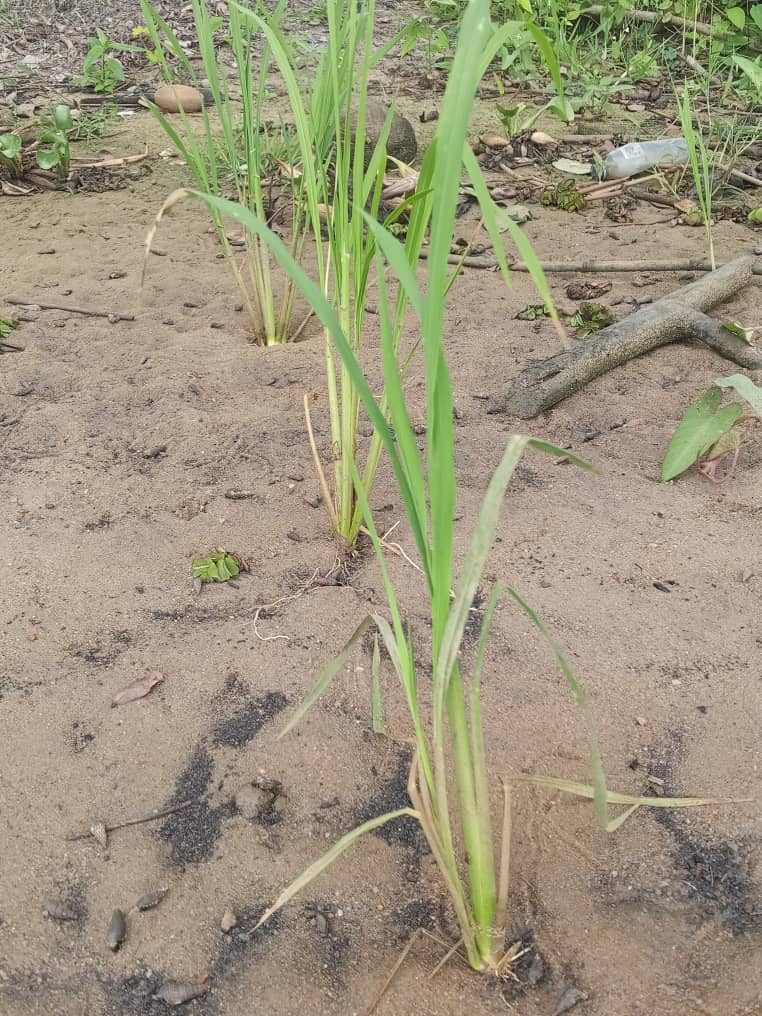
Plantain adds another productive layer
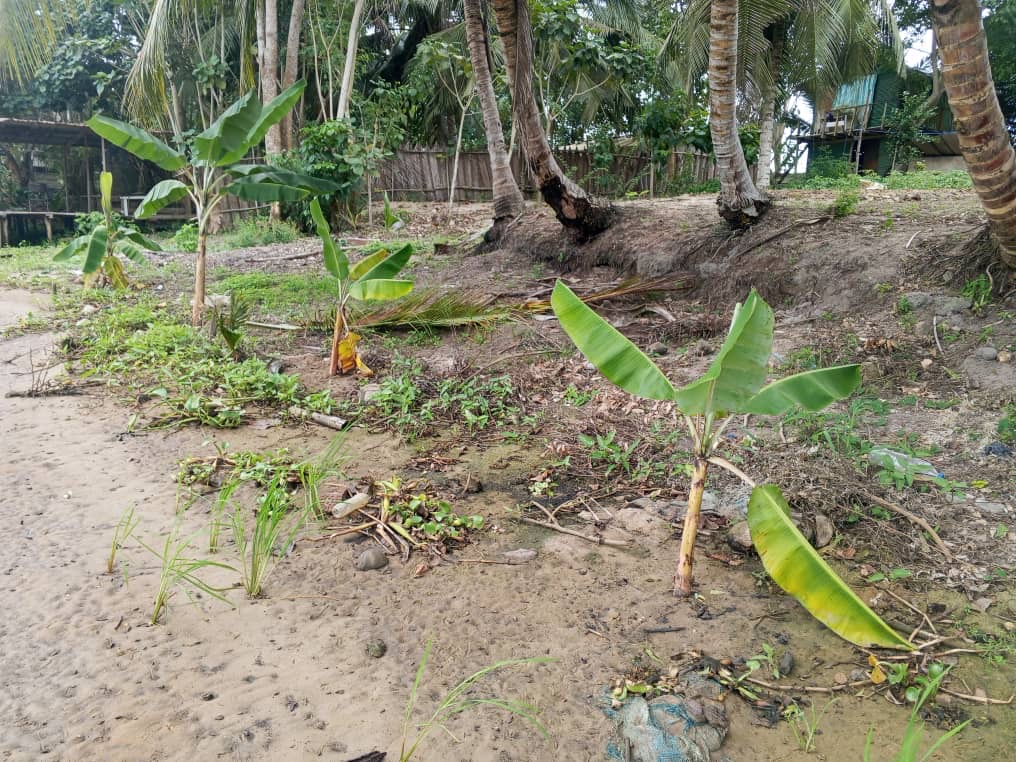
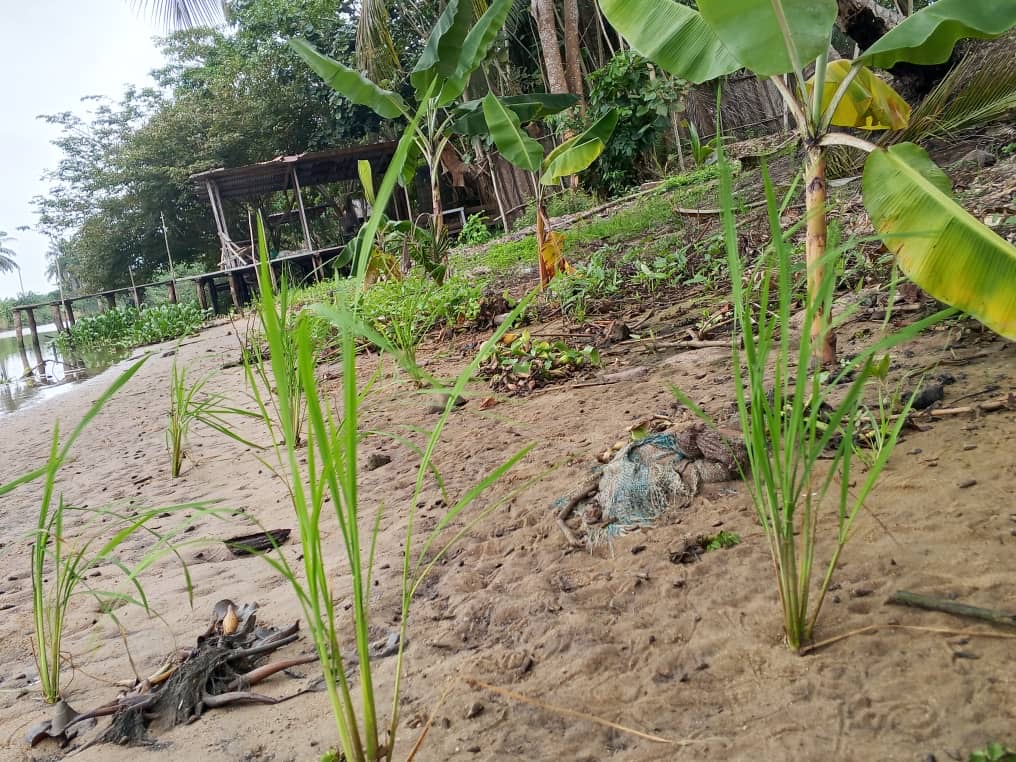
Behind the rice are young plantain plants, with established coconut trees providing the taller layer of the landscape. This begins to resemble a simple multi-storey growing system: rice nearest the moist ground, plantain on the slightly raised bank and coconut above them.
Plantain brings different requirements. It benefits from deep organic matter, regular moisture and protection against strong winds. Mulching around each plant—with space left around the stem—can reduce evaporation, suppress weeds and gradually improve the sandy soil.
What appears to be a collection of separate crops can therefore become an integrated waterside production system.
And then there is the private jetty
The jetty changes the story completely.
It means the farm is not approached only from the land. The river may eventually support movement, fishing, observation, practical training and carefully managed visitor experiences. A working waterside farm could become a place where people arrive, see food being grown, learn from the production system and understand how land and water can be used together responsibly.
Before any commercial or visitor use, the structure must be professionally inspected and strengthened. Safe access, changing water levels and riverbank erosion must all be understood. But its presence creates possibilities that would not exist on an ordinary inland plot.
A living classroom—not a finished answer
There is still work to do. Waste and abandoned netting should be removed. The highest seasonal waterline needs to be marked. The rice should be reorganised into a defined demonstration plot, and the plantains need compost and mulch. Deep-rooting vegetation may also be required to stabilise vulnerable sections of the bank.
That unfinished condition is important. JustLearn is not presenting a perfect farm or pretending that every experiment must succeed. The purpose is to document the decisions, observe the results and turn experience into useful knowledge.
Excell Africa Farms supplies the real-world laboratory. JustLearn asks the questions, records what happens and makes the lesson available to others.
From soil to significance
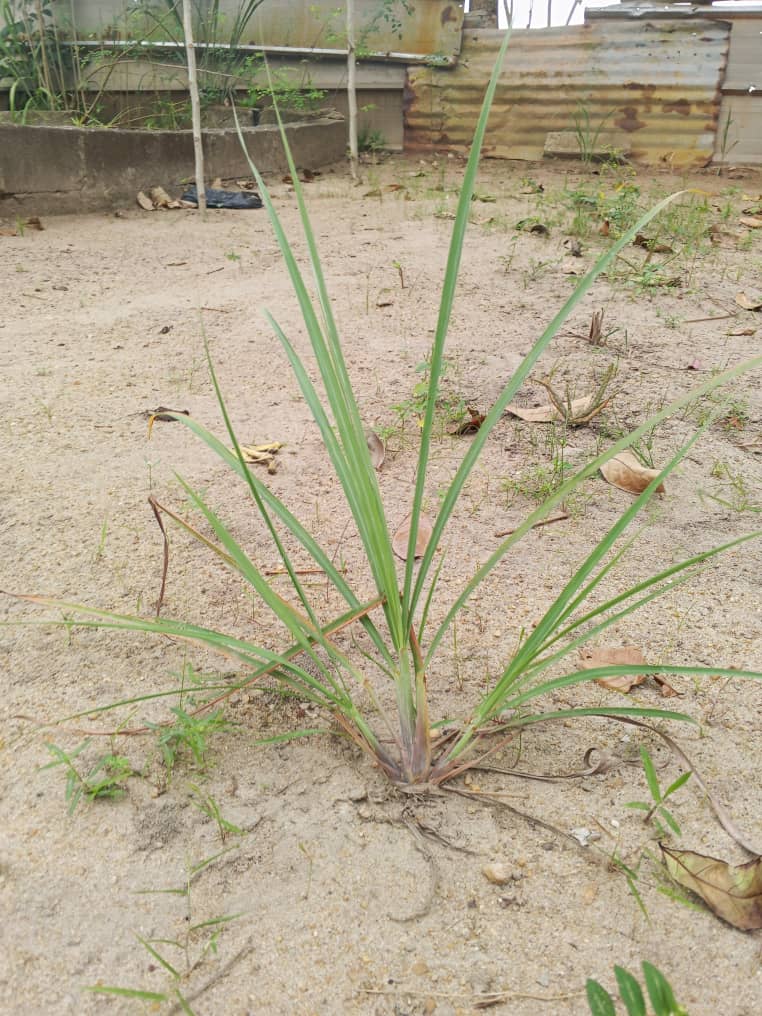
These photographs capture a beginning: young crops, an underdeveloped shoreline and a jetty whose full purpose has not yet been realised.
In time, this small area could produce food, protect the landscape, support enterprise and welcome learners. Whether every part of that vision succeeds will depend upon disciplined experimentation and honest reporting.
See how the same evidence-led method is being applied in our Wasinmi yam-vine rooting trial and Mondouku palm-weevil experiment.
For now, the lesson is simple: sometimes the value of a place is not found in what is already there, but in recognising what its separate parts could become together.
Rice, plantain and a private jetty. Let us see where they take us.
Develop a diversified farm enterprise
JustLearn documents how Excell Africa Farms combines land, water, crops and enterprise. Sharper Minds Academy provides the structured learning needed to turn such observations into practical plans.