What’s Really On Your Plate? #11
Palm oil gives colour, flavour and identity to many West and Central African dishes. It is also frequently discussed as though a single ingredient can determine whether an entire diet is healthy. That is too simple.
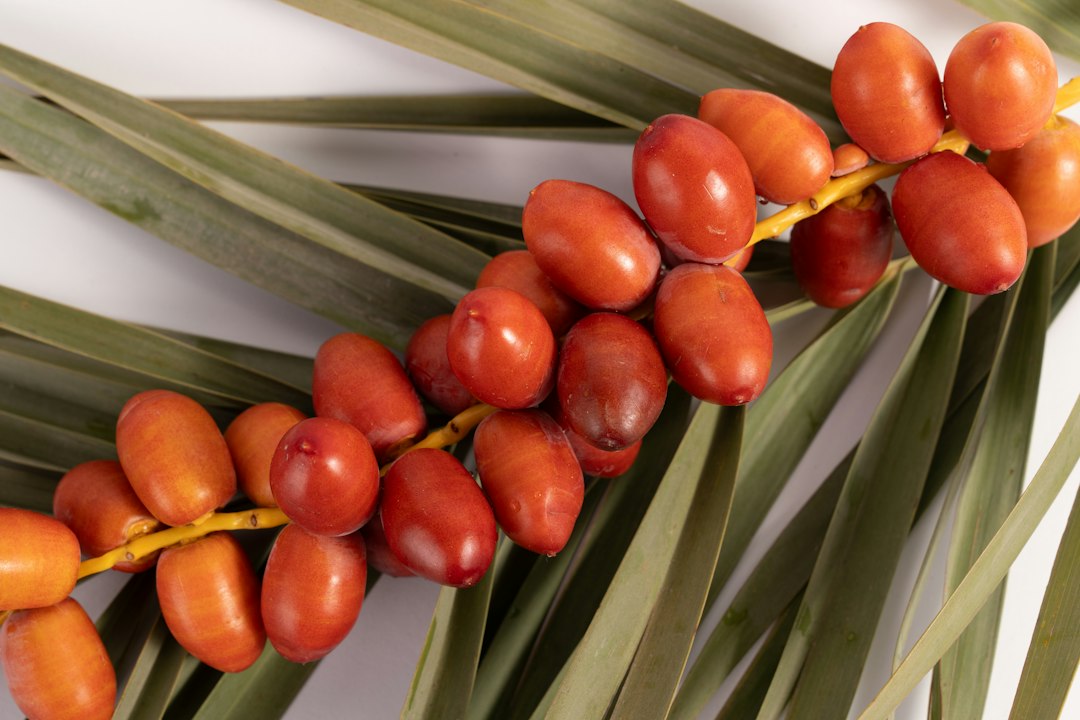
Palm oil is an oil—and quantity matters
Like other cooking fats, palm oil is energy-dense. It also contains a relatively high proportion of saturated fat compared with many liquid vegetable oils. Dietary guidance generally recommends limiting saturated fat rather than treating one traditional ingredient as uniquely poisonous.
That immediately brings portion and frequency into the conversation. A modest amount used to build flavour in a vegetable-rich meal is a different dietary pattern from repeatedly eating meals swimming in added oil.
Do not remove the dish from its culture
Bitterleaf soup, egusi, vegetable soups and other traditional foods do not need to disappear because they may contain palm oil. Recipes can evolve through quantity, balance and preparation while remaining recognisably African.
Look at the whole pot
How much oil went in? How many people will the pot serve? What else is in the meal—leafy vegetables, fish, meat, seeds, starches? How frequently do you eat it? Those questions tell us more than declaring palm oil either a miracle food or a villain.
The farm and processing story matters too
Palm oil also has an agricultural and processing history. Variety, harvesting, extraction, storage and handling affect the product that eventually reaches the kitchen. The wider Your Food Has a History principle applies here as strongly as anywhere else.
Continue the conversation
Return to #10: Indigenous African Leafy Vegetables or browse the complete What’s Really On Your Plate? archive. We are deliberately leaving #12 open until its original topic is recovered. The published series then continues with #13: The Stock Cube Question.
Excell Africa Farms — From Soil to Significance™