What’s Really On Your Plate? #4
Few foods show the distance between farm and plate as clearly as modern broiler chicken. Consumers see a neatly packaged bird. Farmers see genetics, feed, housing, temperature, stocking density, disease prevention, growth rate and welfare.
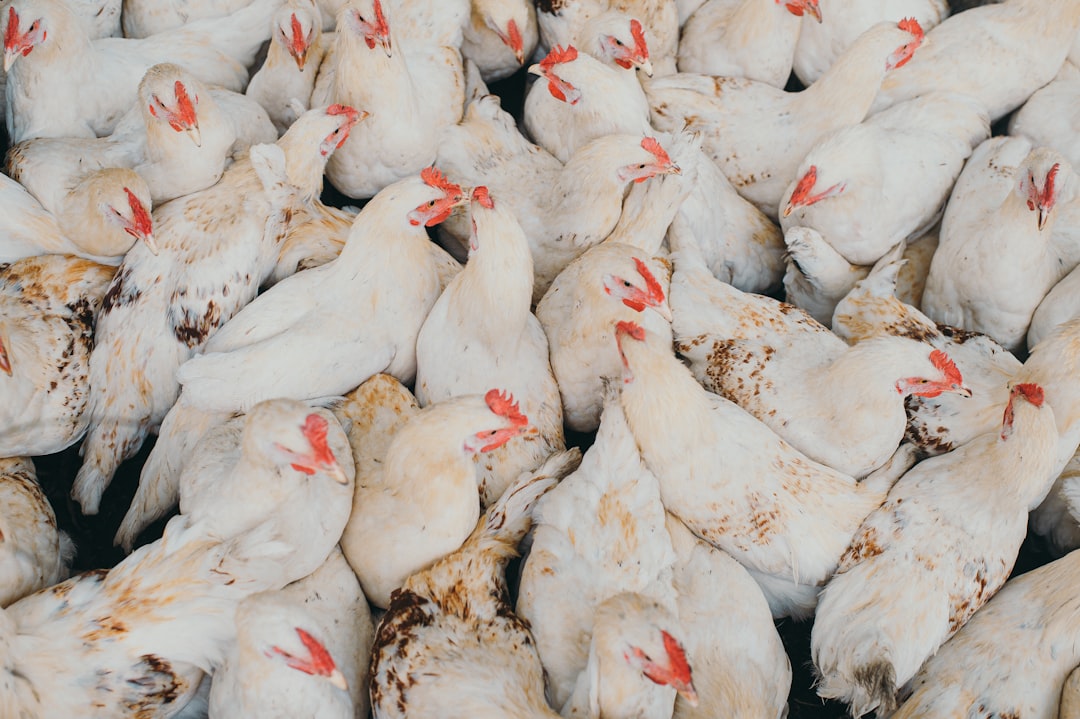
Why broilers grow so quickly
Commercial broiler strains have been selectively bred for characteristics including rapid growth and efficient feed conversion. Balanced feeds and controlled management help birds express that genetic potential. Hormones are not required to explain the normal rapid growth of modern broilers.
Fast growth creates management responsibilities
Rapid growth can also create welfare challenges if genetics and management are poorly balanced. Leg health, mobility, litter condition, heat stress, stocking density and access to feed and water all matter. This is why the question “broiler or local chicken?” is too simple on its own.
A well-managed broiler system and a badly managed broiler system are not the same thing. Nor does the word “local” automatically guarantee good welfare or food safety.
Ask about the production system
Useful questions include: How were the birds housed? Was stocking density appropriate? Was clean water continuously available? Was feed suitable for the growth stage? Were sick birds managed responsibly? How was slaughter and cold-chain handling carried out?
At Excell Africa Farms, poultry is part of our practical learning environment. That experience reinforces a simple principle: the quality of livestock production depends on the system, not merely the label attached to the bird.
Continue the series
Read #3: Milk, explore our farm evidence in the JustLearn Articles library, and follow the full series. Next: beans, digestion and why preparation matters.
Excell Africa Farms — From Soil to Significance™