What’s Really On Your Plate? #5
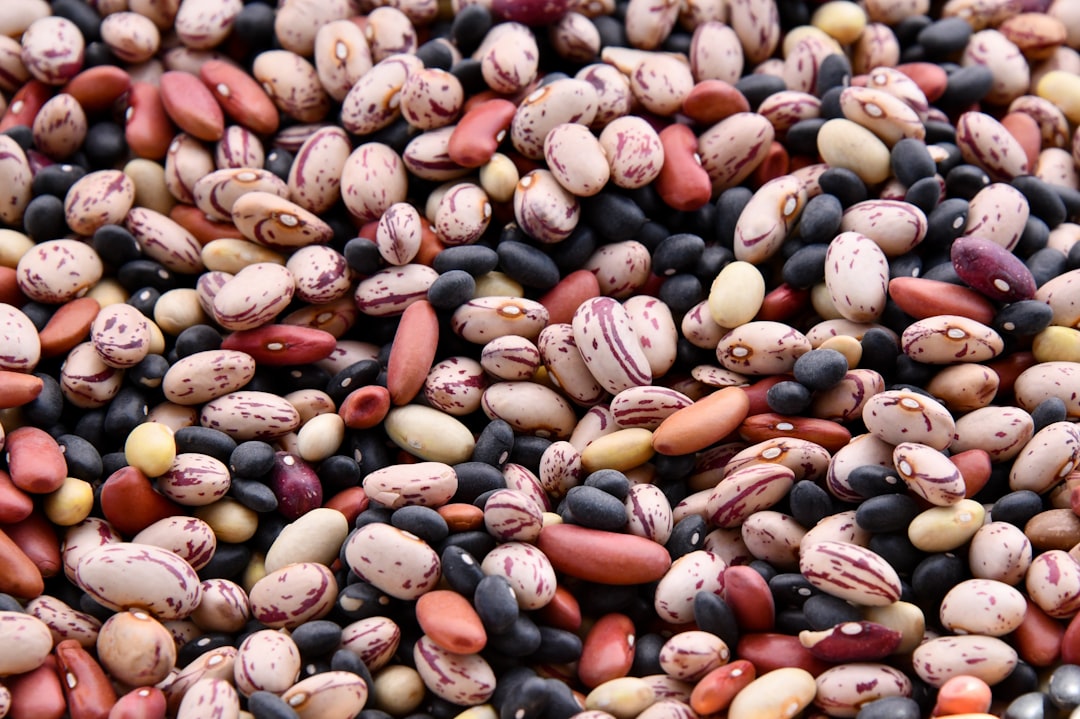
Beans are deeply embedded in diets around the world and across Africa. They provide protein, fibre and useful micronutrients. Yet many people know the other side of the bean story: wind, bloating and digestive discomfort.
Why beans can produce gas
Beans contain fermentable carbohydrates that are not completely digested in the small intestine. When they reach the large intestine, gut bacteria can ferment them and produce gas. That is a normal biological process, although the amount of discomfort varies greatly between individuals.
Preparation changes the experience
Traditional kitchens developed soaking, rinsing, long cooking, fermentation and other preparation methods for good reasons. Depending on the bean and method, soaking and thorough cooking can reduce some compounds associated with digestive difficulty and, importantly, make beans safe and palatable.
Portion matters too. Someone who rarely eats beans may find a very large serving harder to tolerate than a smaller portion introduced gradually.
Do not confuse discomfort with a verdict
Feeling bloated after a particular meal does not prove that beans are inherently unhealthy. It tells us to examine the type of bean, preparation, portion, the rest of the meal and our individual digestive response.
Persistent, severe or unexplained digestive symptoms deserve medical assessment rather than ever-tighter self-imposed food restrictions.
Continue the series
Read #4: Broiler Chicken and follow the series archive. Next we look at spinach and leafy vegetables—valuable foods that still deserve thoughtful sourcing, preparation and individual context.
Excell Africa Farms — From Soil to Significance™