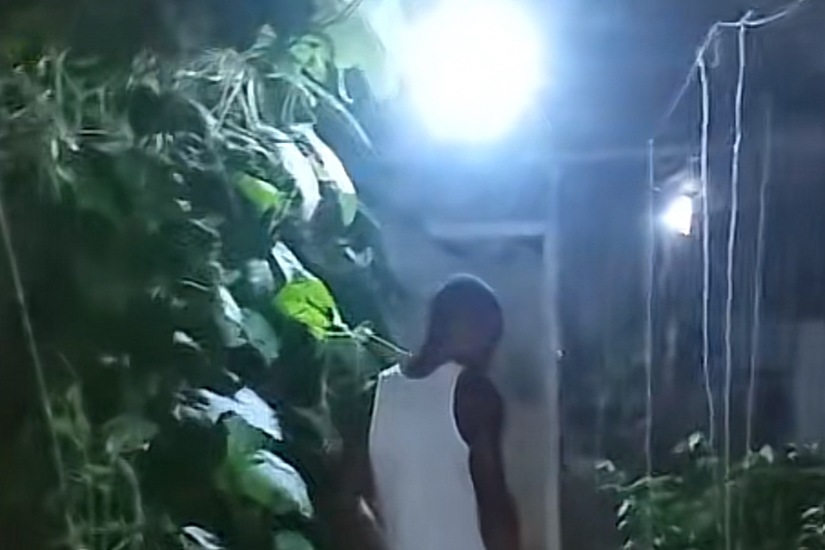
At Excell Africa Farms in Wasimi, solar power and Starlink have changed what happens after dark. There is light, internet access and a place for our staff to gather. People can speak with family, watch something, learn something and enjoy a cold drink together.
These are meaningful improvements to farm life. Our staff have relationships and interests beyond the day’s tasks. A farm where people live should make room for that.
But I have noticed a new management question: when the evening becomes more comfortable, how do we make sure the morning still works?
The farm day no longer ends at sunset
Without dependable electricity or internet, darkness often brought the day to a close. Now a conversation can continue under the solar lights. One video leads to another. Cold drinks—and sometimes beers—keep the gathering going. Nobody has necessarily decided to neglect the farm. The night has simply grown longer.
The work waiting at first light has not moved.
Crops need inspection for stress, pests, damage and water problems. Irrigation may need attention. Animals need feed, water and a close look. A goat, rabbit or other animal may have given birth overnight; the mother and young may need prompt help. A broken fence or empty drinker is easier to deal with when someone finds it early.
A late start can mean that the first opportunity to notice a problem has passed.
The internet is part of farm life now
Starlink also helps us run the farm. A worker can send a photograph of an unfamiliar crop symptom or report an animal’s condition. We can discuss a problem even when I am away from Wasimi. Internet access can support learning, communication and quicker decisions.
That is why the answer is not simply to switch it off at night. Solar power, connectivity and time together are benefits we have brought to the farm. We need to manage the routines around them.
We should also avoid blaming every tired morning on the internet. Farming is physical work, and people may be tired for many reasons. The useful question is whether our system reliably gets essential checks done, including after a late evening.
Make the first inspection dependable
A farm cannot rely on everybody waking at the same time and hoping that somebody will notice what matters. The morning round needs named responsibilities.
At Wasimi, that means being clear about who checks each area, what they should look for and how they report an urgent finding. A short record can show when animals were checked, whether water and feed were available, what was seen in the crops and what action followed.
We also need cover. If the person assigned to a first inspection is unavailable, another person should know that the job is theirs. Births and other urgent animal welfare issues need a way to be reported and handled promptly, including overnight when necessary.
These are ordinary management decisions, but they become more important as farm life changes.
Rest and recreation both matter
Our staff should be able to enjoy the facilities on the farm. At the same time, anyone responsible for an early or safety-critical task needs enough rest to do it attentively. Alcohol should never blur a duty that requires someone to operate equipment, respond to an emergency or care for animals.
Clear expectations are fairer than vague complaints about people staying up late. We can agree when the first checks happen, who is responsible and what happens if someone cannot take a shift. We can discuss evening habits without treating every gathering as a problem.
The standard is visible in the work: Were the crops inspected? Were the animals checked? Was a newborn noticed? Was a problem reported while there was still time to act?
Progress brings new responsibilities
Solar power and Starlink have made our farm more connected and more liveable. I would not want to lose that. But a farm’s infrastructure changes its culture as well as its operations. When we extend the night, we have to think more carefully about the morning.
At Wasimi, the goal is a farm where our staff can enjoy life after work and where our crops, animals and essential systems receive timely attention. Technology can help us do both, provided we build dependable routines around it.
Our earlier night-time greenhouse observations show one way the new lighting lets us see the farm differently after dark.
What has electricity or internet access changed about evenings on your farm—and how do you protect the first inspection of the day?