What’s Really On Your Plate? #2
White flour is everywhere: bread, pastries, noodles, snacks and many convenience foods. The useful question is not whether flour deserves a frightening label. It is what happens to wheat when it is refined, and what that means for the food we eat.
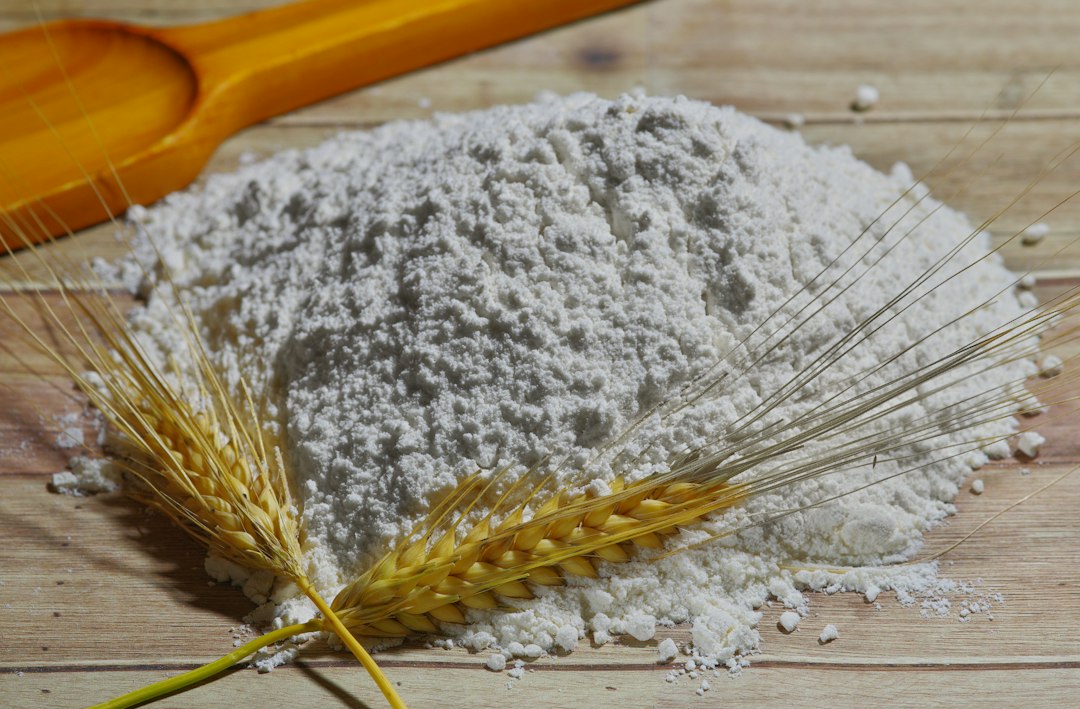
What refining does
A wheat kernel contains bran, germ and endosperm. Producing refined white flour removes most of the bran and germ, leaving mainly the starchy endosperm. That gives flour a lighter colour, finer texture and useful baking properties, but it also removes much of the grain’s natural fibre and some nutrients.
In many countries refined flour is enriched or fortified, meaning selected nutrients are added after milling. That is useful, but it does not turn refined flour back into an intact whole grain.
The meal matters more than a slogan
Eating bread made with white flour occasionally is not the same thing as building most of a diet around highly refined foods. Frequency, portion, accompanying vegetables, protein and other fibre sources all change the nutritional picture.
So the practical question is not “must I never eat white flour?” It is: how often is refined flour replacing less-refined, fibre-rich foods in my diet?
Look beyond colour
Brown-looking bread is not automatically whole-grain bread. Ingredient lists are more useful than colour alone. Where available and appropriate, choosing genuinely whole-grain foods more often is one way to retain more of the original grain structure and fibre.
Continue the journey
This is part of the What’s Really On Your Plate? series from Excell Africa Farms. Return to #1: Start by Asking a Better Question, or continue with our next question about milk and individual tolerance. Explore more food and farm stories in JustLearn Articles.
Excell Africa Farms — From Soil to Significance™