What’s Really On Your Plate? #1
We often describe a meal by naming what we can see: rice, soup, chicken, vegetables, bread or beans. But a plate carries much more than ingredients. It carries a history of soil, seed, farming practice, animal husbandry, processing, storage, transport, seasoning, cooking and portion size.
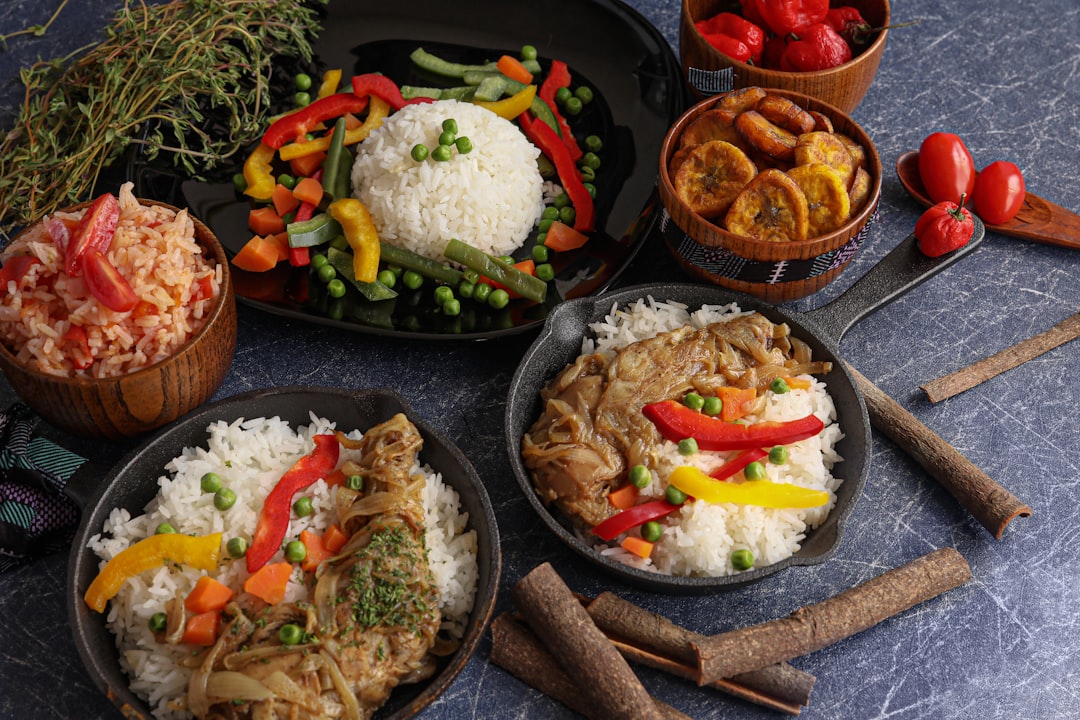
The better question
Instead of asking whether one familiar food is simply “good” or “bad”, it is often more useful to ask: how was it produced, how much processing has it undergone, what has been added, how much am I eating, and how does the whole meal fit together?
That is the purpose of this JustLearn series from Excell Africa Farms. We will look at everyday foods without sensational claims and without asking Africans to abandon their food culture. The aim is to understand the journey from farm to plate and make more informed choices.
Food has a production story
Two plates that look similar can have different histories. Crops may come from different soils and farming systems. Meat may come from animals raised under different conditions. A grain can arrive whole or highly refined. A stew can contain modest seasoning or several concentrated sources of salt. Preparation and portion matter too.
None of that means we should become frightened of food. It means we should become curious about it.
From Soil to Significance™
At Excell Africa Farms, that curiosity connects directly with what we grow and observe. Farming decisions do not stop at harvest. They continue through processing, cooking and the person eating the food. That is why our wider philosophy is From Soil to Significance™.
Continue the series
Next we examine one of the most familiar ingredients in modern kitchens: refined white flour. You can also explore the practical farm evidence behind this series in Rice, Plantain and a Private Jetty and browse the JustLearn Articles library.
Excell Africa Farms — From Soil to Significance™