What’s Really On Your Plate? #6
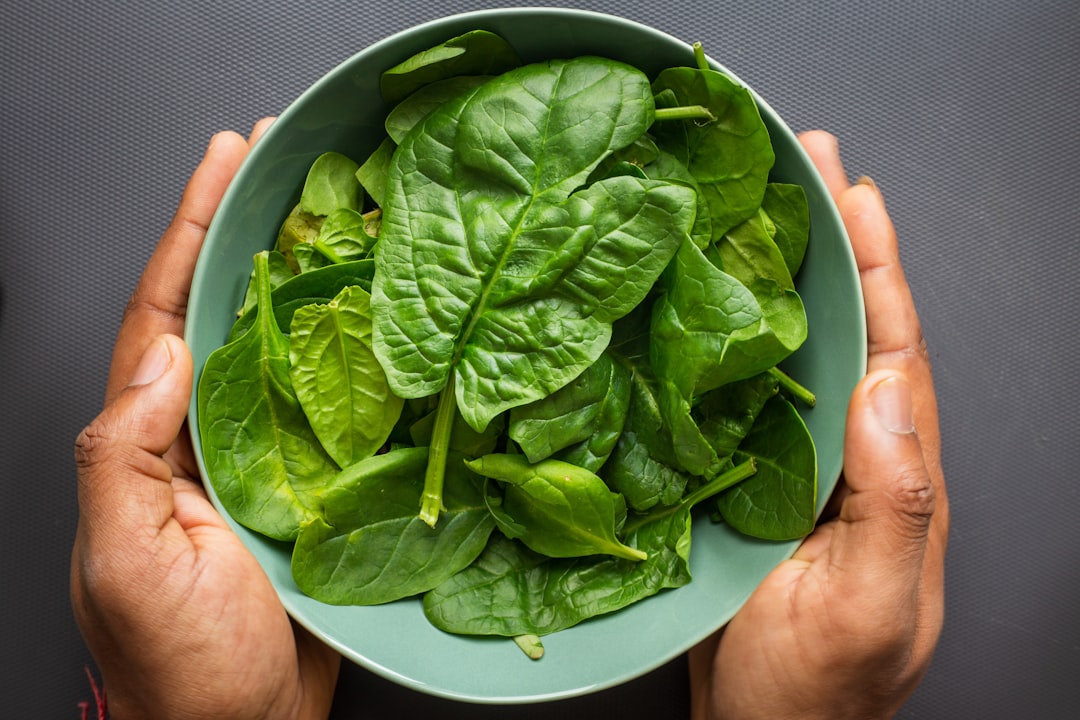
“Eat your greens” is broadly sensible advice, but even good advice becomes less useful when it turns into a slogan. Spinach and other leafy vegetables provide fibre and a range of vitamins, minerals and plant compounds. They also come with a production history and, for some people, individual considerations.
Variety beats obsession
No single leafy vegetable needs to carry the entire burden of a healthy diet. Different greens offer different nutrient profiles, flavours and culinary uses. African food traditions already contain a remarkable range of leafy vegetables, so diversity can be both nutritionally sensible and culturally familiar.
Oxalates need context
Spinach naturally contains oxalates. For most people that fact is not a reason to fear spinach. People with particular medical conditions, including some people prone to certain kidney stones, may receive individual dietary advice from their clinician. The presence of a naturally occurring compound does not by itself make a food “toxic”.
The farm still matters
Leafy vegetables can also carry soil, microorganisms or pesticide residues depending on how they were produced and handled. Responsible pesticide use is regulated around permitted products, application rates and harvest intervals. Consumers should wash and prepare produce appropriately, while farmers carry the larger responsibility of using crop-protection products correctly.
At Excell Africa Farms, our direction is toward avoiding unnecessary synthetic chemical use while learning from agroecological production methods. That is a farming approach—not a claim that every conventional vegetable is unsafe.
Continue the series
Read #5: Beans and Bloating. Next we take the pesticide question directly: why farmers use crop-protection products, what residues mean, and why “chemical-free” is not a useful scientific description of food.
Excell Africa Farms — From Soil to Significance™